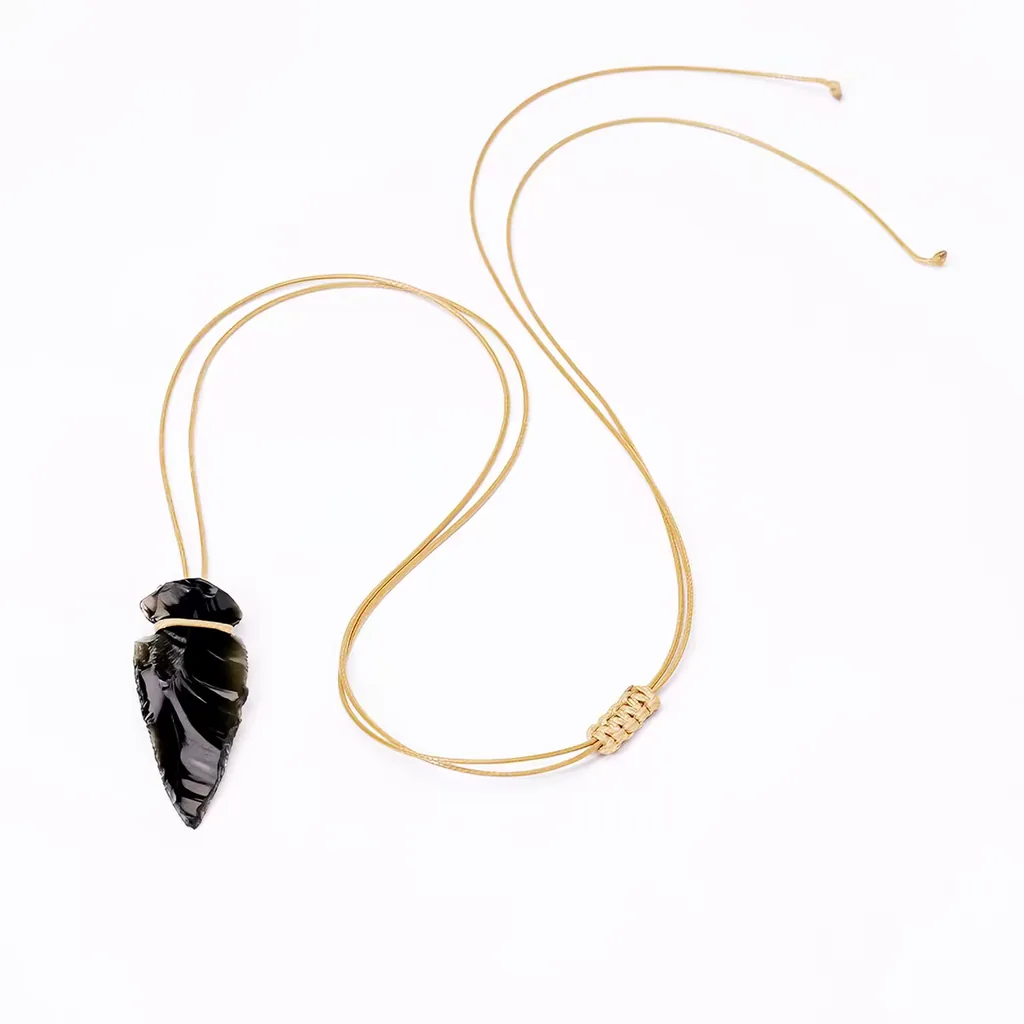
Carved from single-origin purple agate and blue chalcedony, an Egyptian mythology necklace serves as spiritual armor against the second death—the moment your name is forgotten.
The ancient Egyptians believed you die twice. Once when you stop breathing. Once when your name is erased from the stone. No civilization took protective jewelry more seriously. When Tutankhamun’s tomb was opened, 143 amulets were found wrapped into his mummy. They were not decoration. They were equipment. Spell-carved scarabs sat over the heart so it would not betray its owner at the final judgment. To lose your name was to lose your soul. Pharaohs who fell from grace had their faces hammered off statues, their names scraped out of monuments, condemned to wander eternity unrecognized. That is why we carve.
The Goddess Who Guarded the Sun
She guarded homes for three thousand years. Rome built her temples; millions once whispered her name. Tender hands, lioness fury—the same pair. The goddess the world remembered. Now, the one she protects is you.
When you wear the Egyptian Cat Goddess Hand Carved Purple Agate Necklace, you are carrying the weight of a deity who refused to fade. Bastet was the protector of the household, the defender of the innocent, and the fierce avenger of those who threatened the sacred order. She was worshipped in Bubastis, her festivals drawing hundreds of thousands of pilgrims.
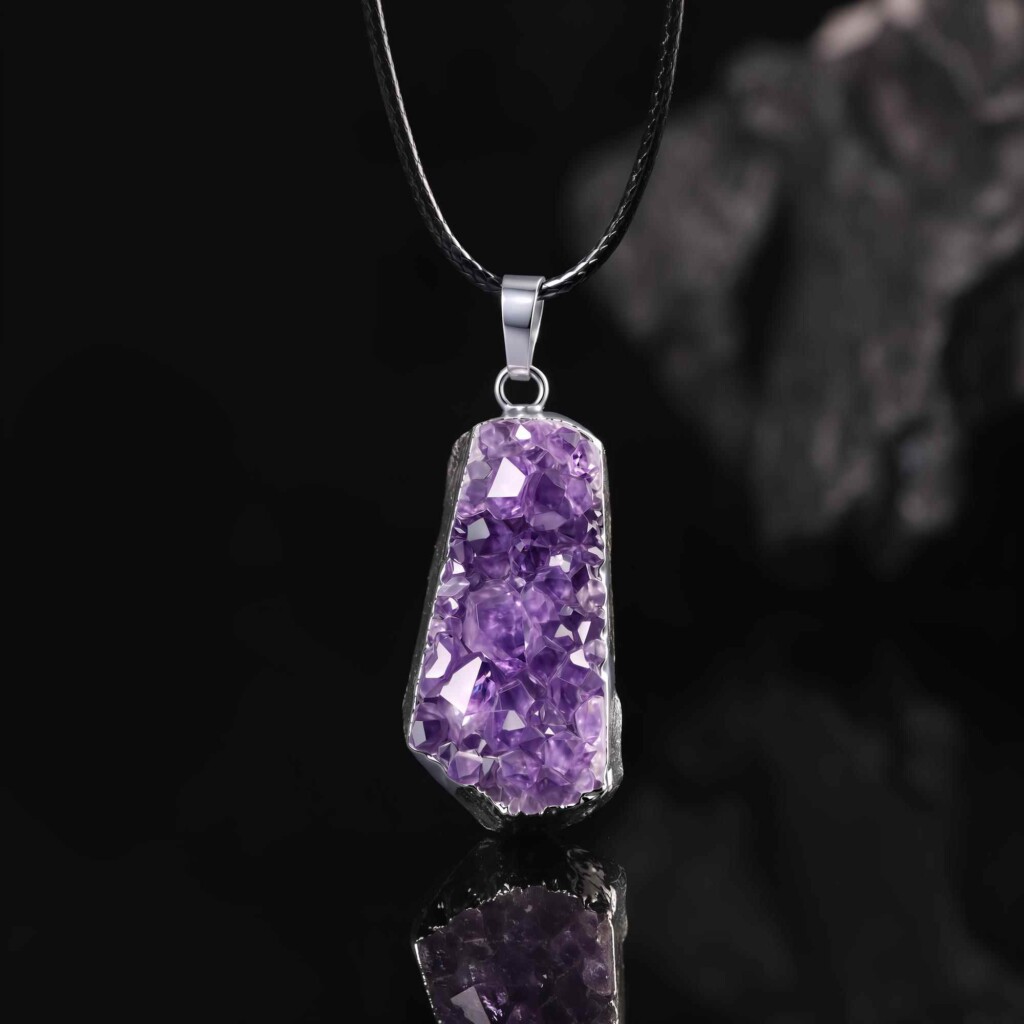
Purple agate is a banded form of chalcedony, cool and dense under the thumb, taking a high polish that catches the light like a cat’s eye in the dark. Rough cut, detail pass, polish—roughly 9 hours of handcrafting per pendant to capture her feline grace. The stone itself feels grounded, heavy with the quiet authority of a predator at rest. It slips under a collar, invisible until your fingers find it during a stressful meeting, a silent reminder that you are guarded.
The Pharaoh They Tried to Forget
His successors smashed his murals and scrubbed his name from history. But they missed one thing: stone remembers. We carved his face back—because to be remembered is to be alive.
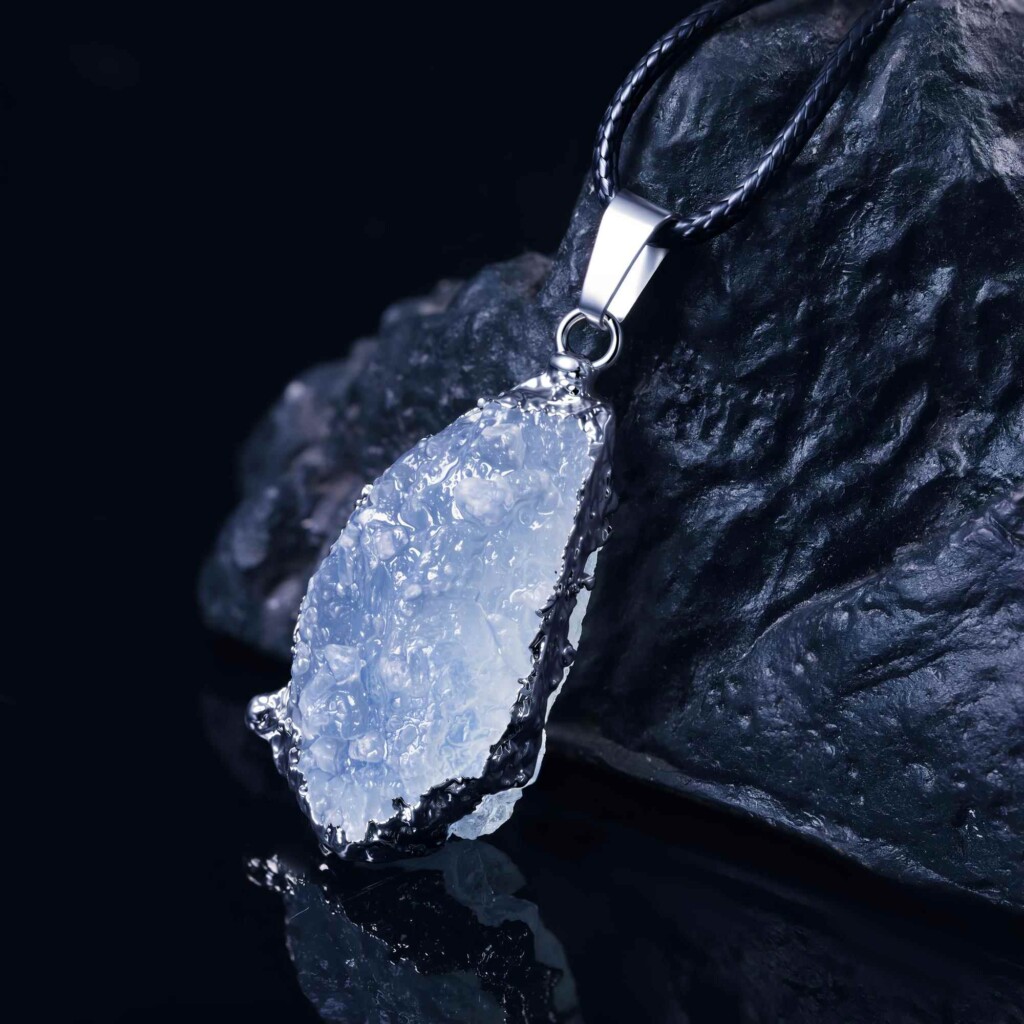
Nephren-Ka, the Black Pharaoh, represents the ultimate defiance against historical erasure. In ancient Egypt, to chisel away a king’s cartouche was to condemn him to the void. His enemies thought they had won. They broke his statues and burned his records. Yet, the stone held the memory. The The Black Pharaoh Hand Carved Blue Chalcedony Necklace brings his visage back into the light. Blue chalcedony possesses a waxy luster and a deep, oceanic blue that shifts in the sunlight, mirroring the hidden depths of a legacy that refused to die.
This pendant is not just a piece of jewelry. It is a declaration of survival. Every line carved into the blue chalcedony is a strike against oblivion. The chisel marks left behind are not flaws; they are the physical evidence of a memory being resurrected. When you wear it, you align yourself with the resilience of a ruler who outlasted the very empire that tried to unmake him.
Choosing Your Egyptian Mythology Necklace
Two amulets. Two fates. One worshipped by millions, one erased by decree. Both refuse to disappear. Every face we carve is a name that refuses to be forgotten. We shape these pendants hand-carved without molds, one piece at a time, ensuring the blade meets the stone with absolute intention.
If you look through our Best Sellers, you will see the dedication required to pull these figures from the raw rock. The carver must read the grain of the stone, adjusting the depth of the cut to avoid fracturing the natural banding. It is a slow, deliberate process. A single slip can ruin hours of work. This meticulous approach guarantees that the final piece carries the exact energy of the myth it represents.
From the workbench: We source our purple agate exclusively from a single Brazilian vein, ensuring a consistent, deep violet banding for the Bastet pieces, while our blue chalcedony comes from a single Turkish vein, yielding that specific waxy, oceanic blue required for Nephren-Ka.
Which one guards you—the goddess the world remembered, or the pharaoh it tried to forget? The choice is not merely aesthetic. It is a resonance. You are selecting which ancient frequency will sit against your chest, beating in time with your own heart. The second death only claims those who have no guardian, those who fade into the silent dust of unremembered centuries. Choose your stone. Claim your name. Walk forward knowing that as long as the stone holds your face, you will never truly die.
Frequently Asked Questions
What is the meaning behind an Egyptian mythology necklace?
These necklaces are based on the ancient belief that a person dies twice: once when they stop breathing, and again when their name is forgotten. The pendants serve as spiritual armor, keeping the stories and names of deities like Bastet and Nephren-Ka alive.
How are the Bastet and Nephren-Ka pendants made?
Each pendant is individually carved by hand without the use of molds. The process involves a rough cut, a detailed pass, and a final polish, taking roughly 9 hours of handcrafting per piece to ensure the mythological features are accurately captured.
What stones are used for the Egyptian carvings?
The Bastet pendant is carved from single-origin purple agate, while the Nephren-Ka pendant is carved from single-origin blue chalcedony. Both stones are chosen for their specific visual properties and their historical resonance with the figures they represent.