TL;DR
- Zodiac jewelry is one of the easiest personal gifts: the recipient’s sign is already fixed, so the real decision is stone, carving quality, and wearability.
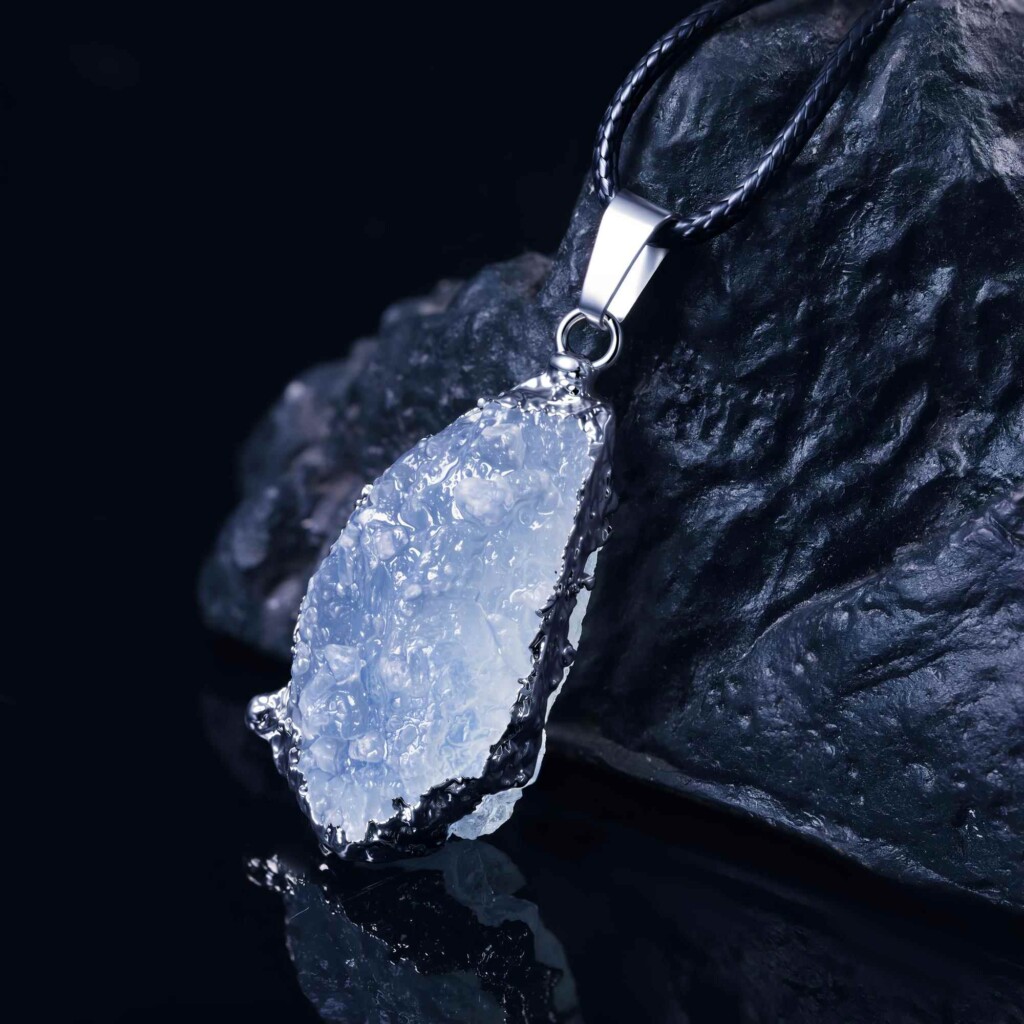
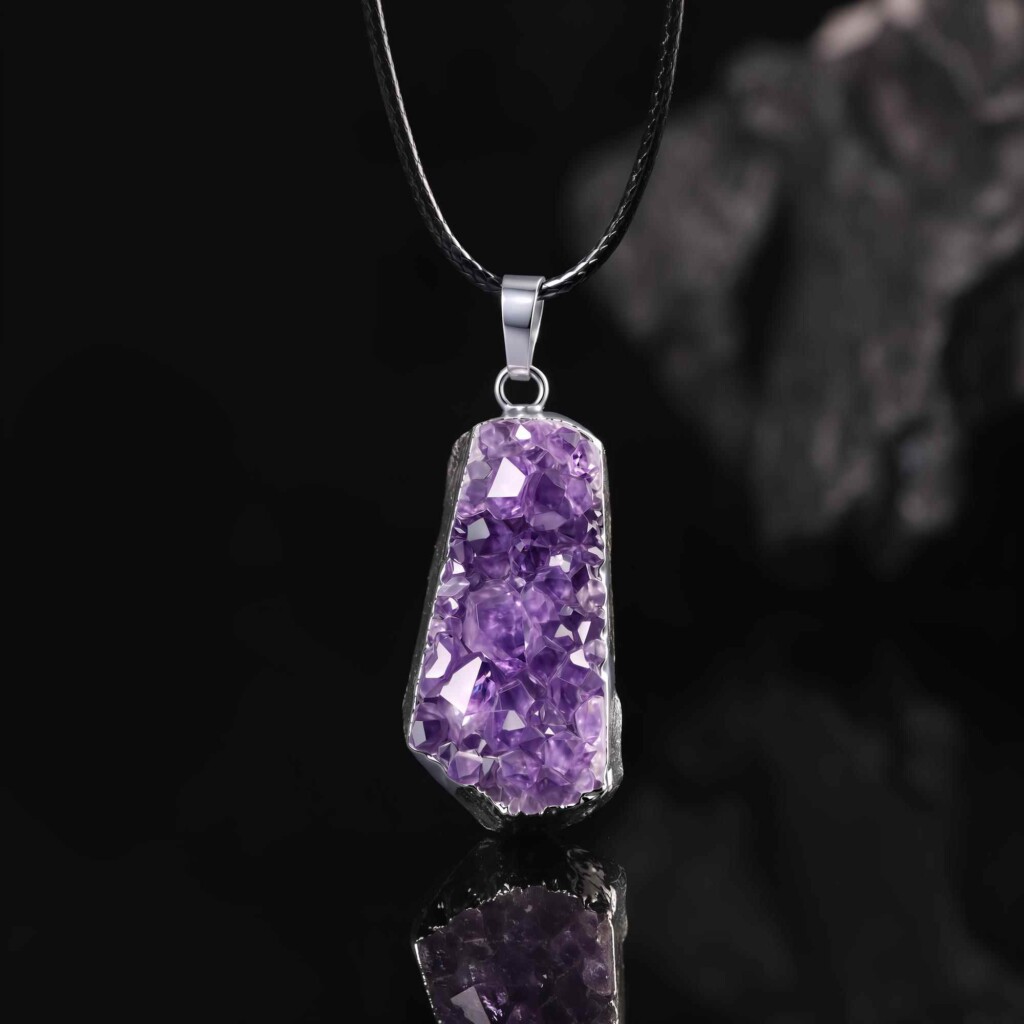
- Z-OATH carves its zodiac necklaces in four natural stones — black obsidian, purple agate, blue chalcedony, and white agate — priced between $69 and $139.
- Matching the stone to the person matters more than matching it to a chart: wardrobe, contrast, and how bold a pendant they actually wear decide what gets used.
- Zodiac-stone associations come from centuries of folk tradition; that history adds narrative weight to a gift, but it is context, not evidence.
- Before buying any zodiac necklace, check the named material, the stated process, the size and chain, and the return window. Z-OATH offers 30-day returns.
Why Does Zodiac Jewelry Make Such a Reliable Gift?
Zodiac jewelry solves the hardest part of gift-giving: choosing something personal without guessing. A person’s zodiac sign is fixed by their birthday, which is usually public information. The gift reads as chosen for that specific person, not picked off a shelf.
A zodiac pendant also carries a second layer. The sign says something about how the recipient sees themselves, or at least how they enjoy being seen. Giving someone their sign in carved stone acknowledges that identity without requiring a long speech.
That combination — personal by default, meaningful without effort — explains why zodiac jewelry stays near the top of gift searches every holiday season.
Which Stones Does Z-OATH Use for Its Zodiac Necklaces?
Z-OATH works in four natural stones, each sourced from a specific region and carved by hand. Every zodiac necklace takes about nine hours of hand carving, from selecting the rough stone to final polish.
| Stone | Appearance | Source | Signs carved in it | Price |
|---|---|---|---|---|
| Black obsidian | Glassy, deep black volcanic glass | Mexico / USA | Gemini, Capricorn, Scorpio | $69 |
| Purple agate | Deep violet with natural banding | Brazil (single vein) | Aries, Leo, Taurus | $89 |
| Blue chalcedony | Pale, cool blue | Turkey | Cancer, Pisces | $139 |
| White agate | Milky white, soft glow | Madagascar | Libra, Sagittarius | $69 |
The stones shape the carving. Agate and chalcedony are harder than jade — the material our carvers trained on — and blades wear down or snap against them far more often. Blue chalcedony has a low yield: many rough pieces carve out pale or patchy, and only a fraction carry the even blue the design needs. Black obsidian behaves like glass — brittle, sharp-edged, and unforgiving of a slipped cut.
How Do You Match the Stone to the Person?
The sign narrows the stone options; the person makes the final call. A few practical checks:
- Look at their wardrobe. Someone who wears black daily will wear black obsidian constantly. White agate disappears against pale clothing but stands out on dark knits.
- Consider contrast. Blue chalcedony’s cool, pale tone suits people who already favor cool colors. Purple agate reads bolder and suits someone comfortable with color.
- Match their tolerance for attention. Obsidian is the quiet option: subtle at a distance, rewarding up close.
- Check what they already own. A pendant in a stone they don’t have yet gets worn more than a third version of a favorite.
When several signs share one stone — Gemini, Capricorn, and Scorpio all sit in obsidian — the carving itself carries the sign, so the choice comes down to which design the recipient would actually wear.
What Is the History Behind Zodiac Stones?
Linking stones to birth periods is an old habit. Western birthstone lists trace back through medieval and Renaissance lapidaries, and astrological traditions in multiple cultures assigned gems to planets and signs. The lists were never consistent — different centuries and regions produced different charts.
That inconsistency is worth stating plainly. Historical belief is context, not evidence: no tradition proves that a stone does anything for the person wearing it. What the history does give a gift is narrative weight. A zodiac necklace connects the recipient to a very long human habit of reading identity into the sky and carrying a piece of it.
Z-OATH’s own position is simple: the meaning of a necklace is assigned by the person wearing it, not promised by the studio.
What Should You Check Before Buying Zodiac Jewelry?
Whether you buy from Z-OATH or anywhere else, five checks prevent most gift regrets:
- Named material. “Stone” is not a material. The listing should say obsidian, agate, chalcedony, or another specific name.
- Stated process. Cast, molded, laser-etched, and hand-carved pieces all exist in this category. The listing should say which one you are buying.
- Size and chain. Pendant dimensions and chain length decide whether the piece gets worn. Both should appear on the product page.
- Price against materials and labor. Natural stone with stated origins and hours of hand work justifies a higher price than an unnamed blank.
- Return policy. Gifts get exchanged. Z-OATH offers a 30-day return window, which covers the gap between giving the gift and the recipient’s verdict.
Where Should You Start?
If the recipient’s sign is in the current collection, the fastest route is the zodiac necklaces category, where every sign sits with its stone, price, and dimensions in one place.
For a concrete example: the Aries pendant in Brazilian purple agate ($89) shows what the collection does — the ram carved by hand, about nine hours of work, in a stone harder than the jade our carvers trained on.
Choose the sign. Check the stone against the person. The necklace handles the rest.