The Grimoire

Home / The Grimoire

The Cthulhu Mythos: Cosmic Fear, Ancient Amulets

0

1928. A reclusive American writer created a universe.

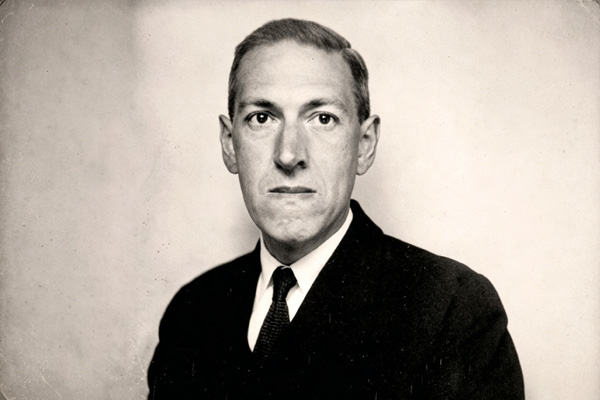
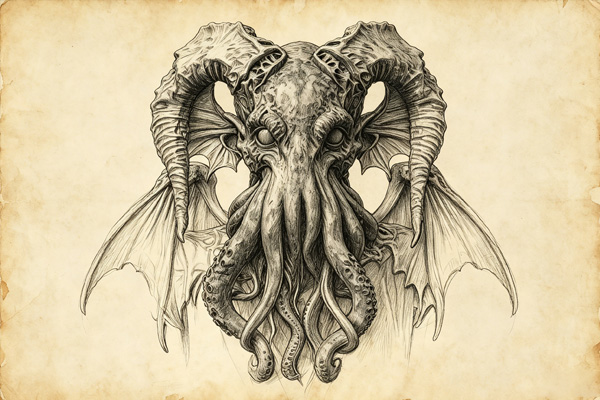
In his 1928 short story "The Call of Cthulhu," H.P. Lovecraft (1890–1937) first introduced the world to Cthulhu — an ancient being sleeping in the sunken city of R'lyeh beneath the Pacific Ocean. It is vast, unnameable, and its mere dreams can influence the human subconscious. It is not evil. It is not good. It simply exists — a presence beyond the scope of human comprehension.

Lovecraft lived a life of poverty, illness, and social anxiety, yet his imagination birthed a mythology that continues to grow to this day. After his death, countless writers, artists, game designers, and filmmakers expanded this universe. Cthulhu, Dagon, Hastur, Nyarlathotep — these names have become a shared language among dark culture enthusiasts worldwide.

What Is Cosmic Horror?

Lovecraft's core philosophy is simple — and brutal:

The universe was not designed for humans.

The universe is indifferent. It has no purpose, no morality, no concern for human destiny. We are merely a speck of dust adrift in infinite void. And the beings known as the Great Old Ones are the embodiment of that indifferent cosmos. They are not demons. They are not villains. They are closer to a natural force — like earthquakes, tsunamis, black holes. They existed before humanity, and they will exist after we are gone.

The horror of the Cthulhu Mythos is not "a monster will eat you." It is "you realize your existence is utterly meaningless." *

This fear lasts far longer than any jump scare. Because it touches humanity's deepest anxiety: What are we, really, in the face of the cosmos?

The Old Ones: More Than Monsters

These beings share one thing in common: you cannot defeat them. You can only avoid them — or, smarter still — carve their likeness into stone and wear it.

Why Do Humans Need Amulets?

In Lovecraft's world, ordinary humans stand no chance against the Great Old Ones. But humanity has never stopped trying — with incantations, with rituals, with symbols. These things are amulets.

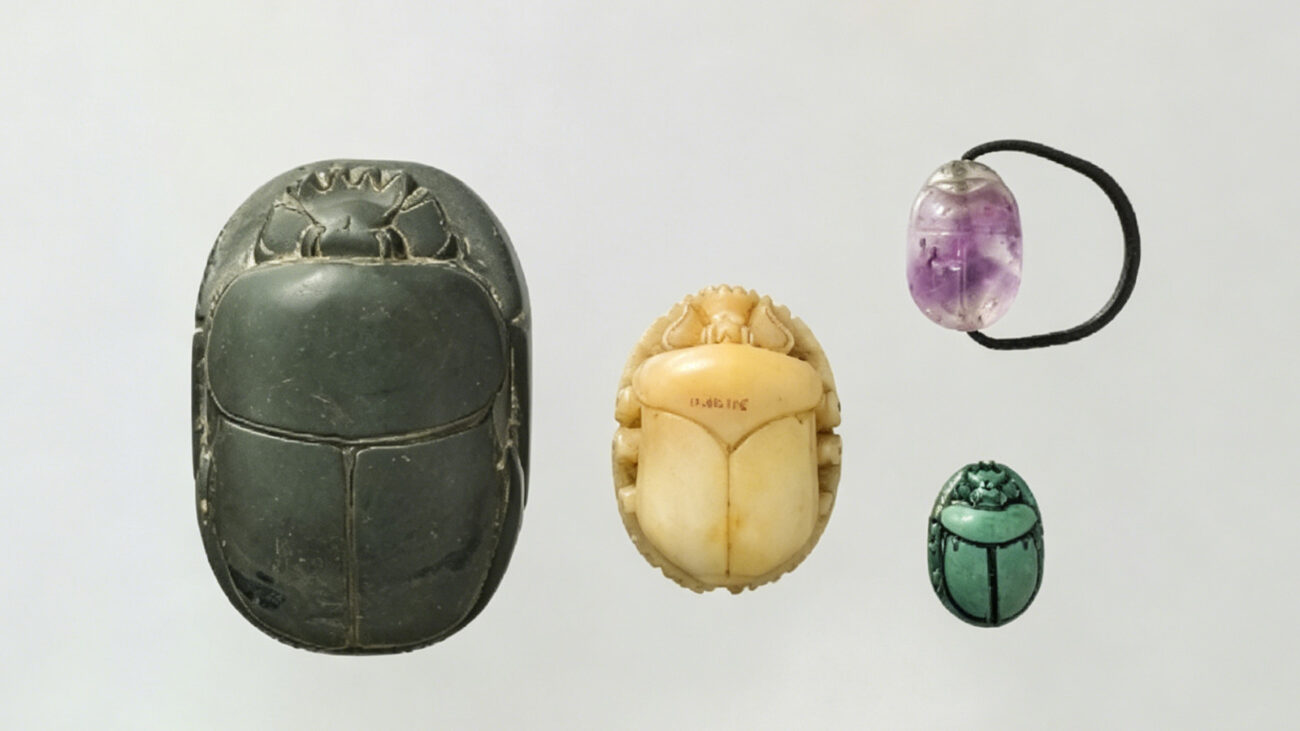
The history of amulets predates every religion. Long before the written word, humans carved symbols into stone, bone, and shell, wearing them in the belief that they offered protection from unseen forces. It is an instinct — when you face something beyond your understanding, you need an anchor. Something you can touch. Something that belongs to you. Something that makes you feel a little less small.

The Cthulhu Mythos itself is a continuation of this amulet-thinking. It describes an unbeatable universe, yet humans still carve symbols, draw runes, and recite incantations — not because they can actually defeat Cthulhu, but because the ritual itself gives them the courage to face the fear. 

Wearing an Ancient Being: Not Worship. Mastery.

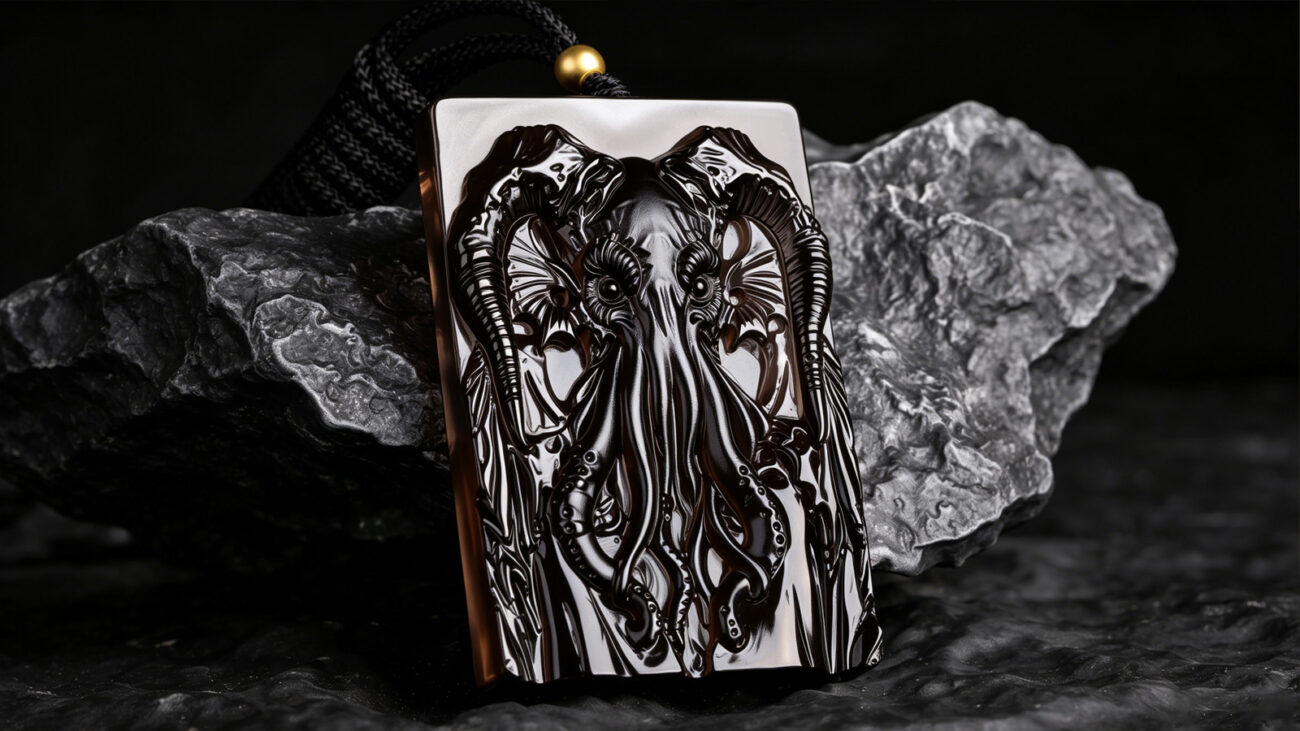
Carving Cthulhu into stone and wearing it around your neck — what does that mean?

It is not worship. In Lovecraft's world, those who worship the Old Ones rarely meet a good end.

This is mastery.

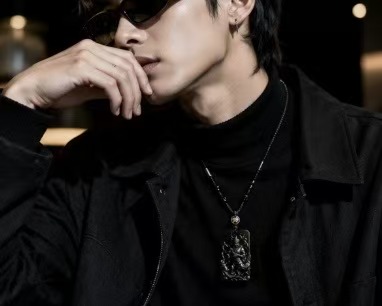
You take an unnameable being and shrink it to the size of a stone. You carve it into something you can comprehend. You wear it close to your heart. You are not surrendering to it — you are turning it into your ward. What once represented fear now represents your courage to face it.

This is the most powerful thing about dark aesthetics: they do not flee from the darkness. They dwell with it.

To the Wearer: This Is Not an Accessory.

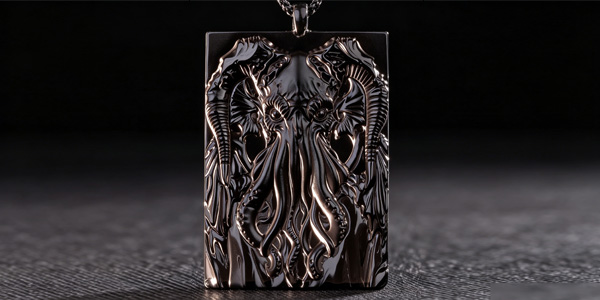
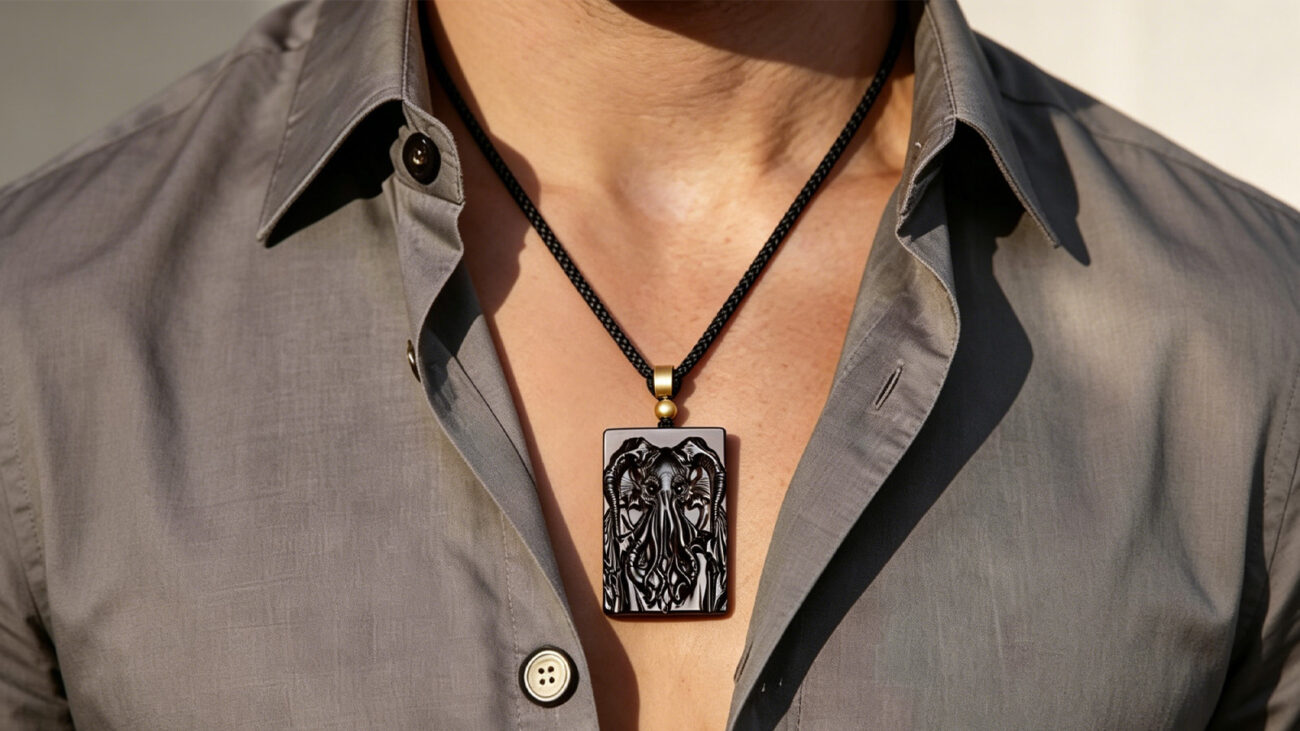
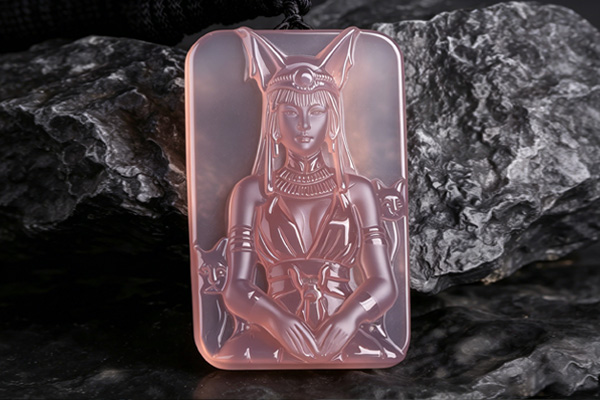
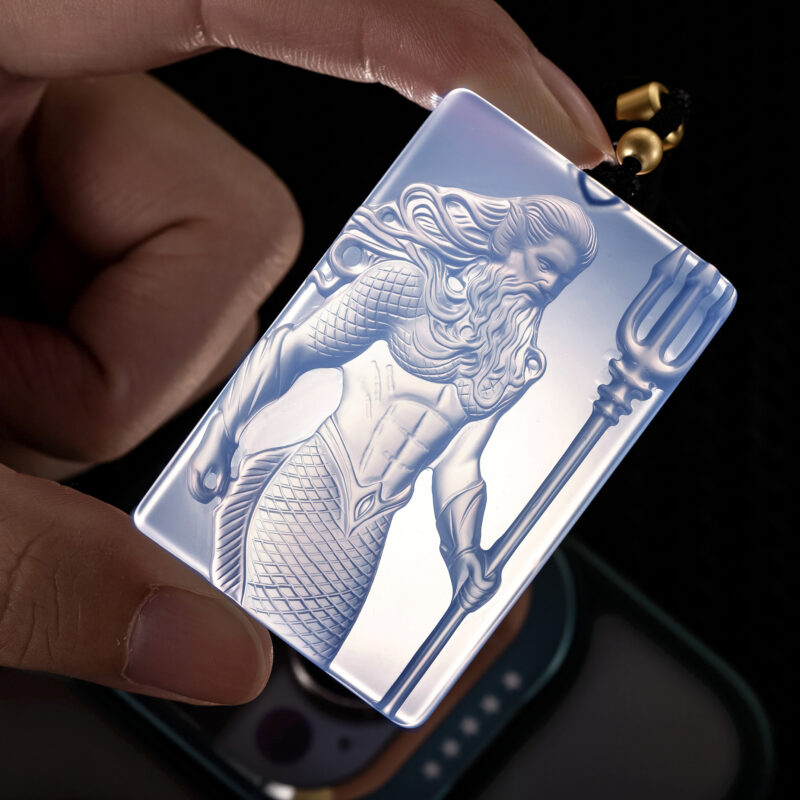
When you wear a Z-OATH Cthulhu pendant, you are not wearing "Cthulhu merch."

You are wearing a piece of natural stone that underwent tens of millions of years of geological transformation, shaped by a living person spending hours carving it, one cut at a time. It carries not just Lovecraft's 1928 imagination, but something far older — the human instinct to carve stone into talismans when facing the unknown.

It is not a symbol of fear. It is the stone you clutch in your hand when staring into the abyss. 
Ph'nglui mglw'nafh Cthulhu R'lyeh wgah'nagl fhtagn.

In his house at R'lyeh, dead Cthulhu waits dreaming.

— But you carved it into stone and hung it around your neck. Now, who's afraid of whom?