The Grimoire

Home / The Grimoire

Why We Still Wear Amulets in 2026

0

Not Because of Superstition. Because We Need to Be Reminded.

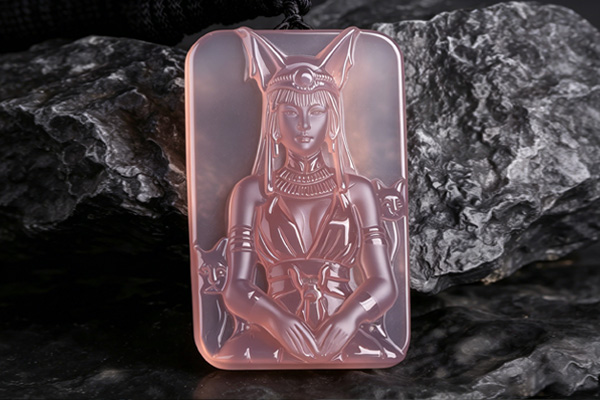
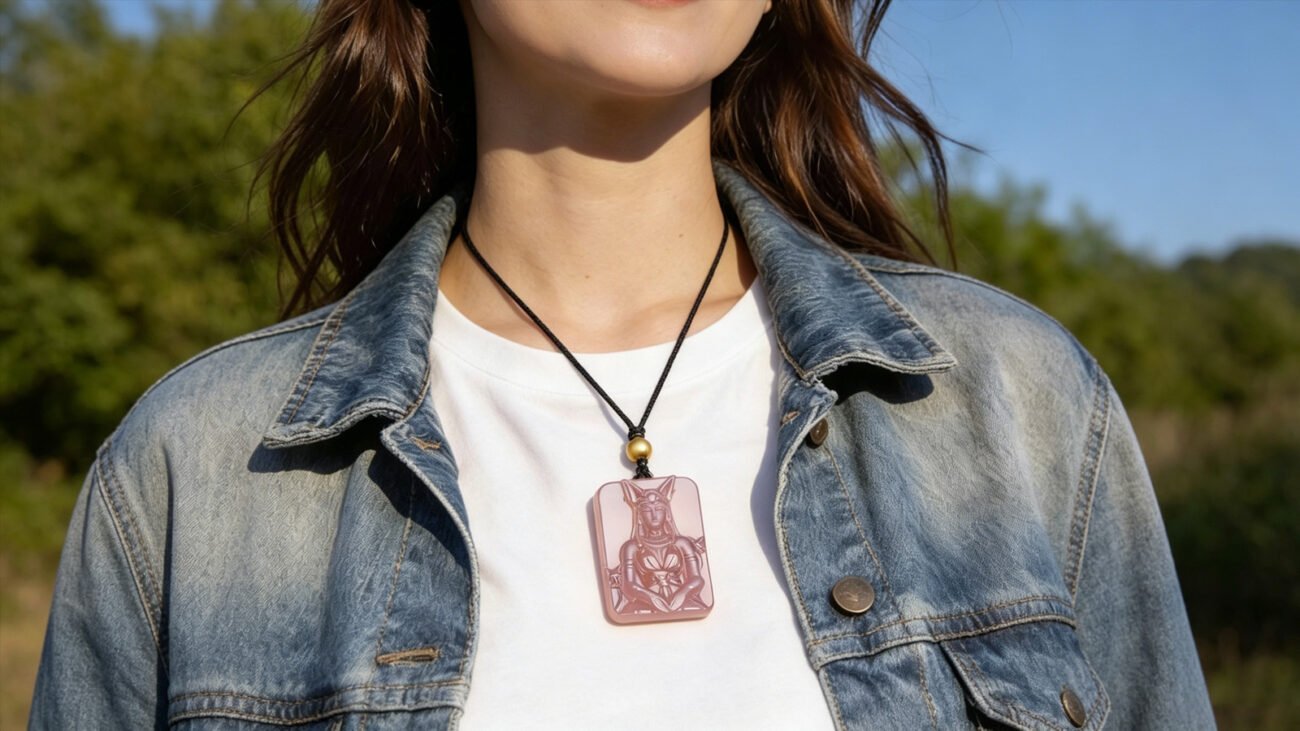
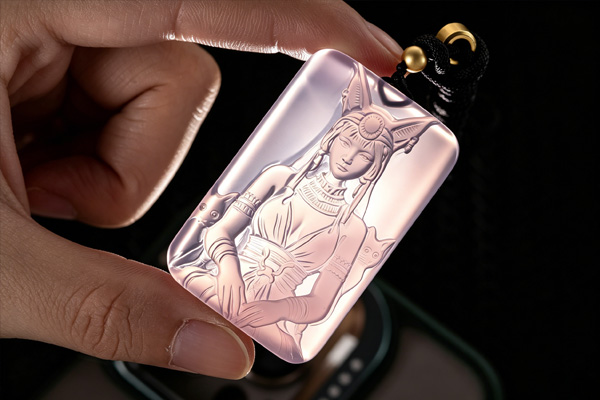
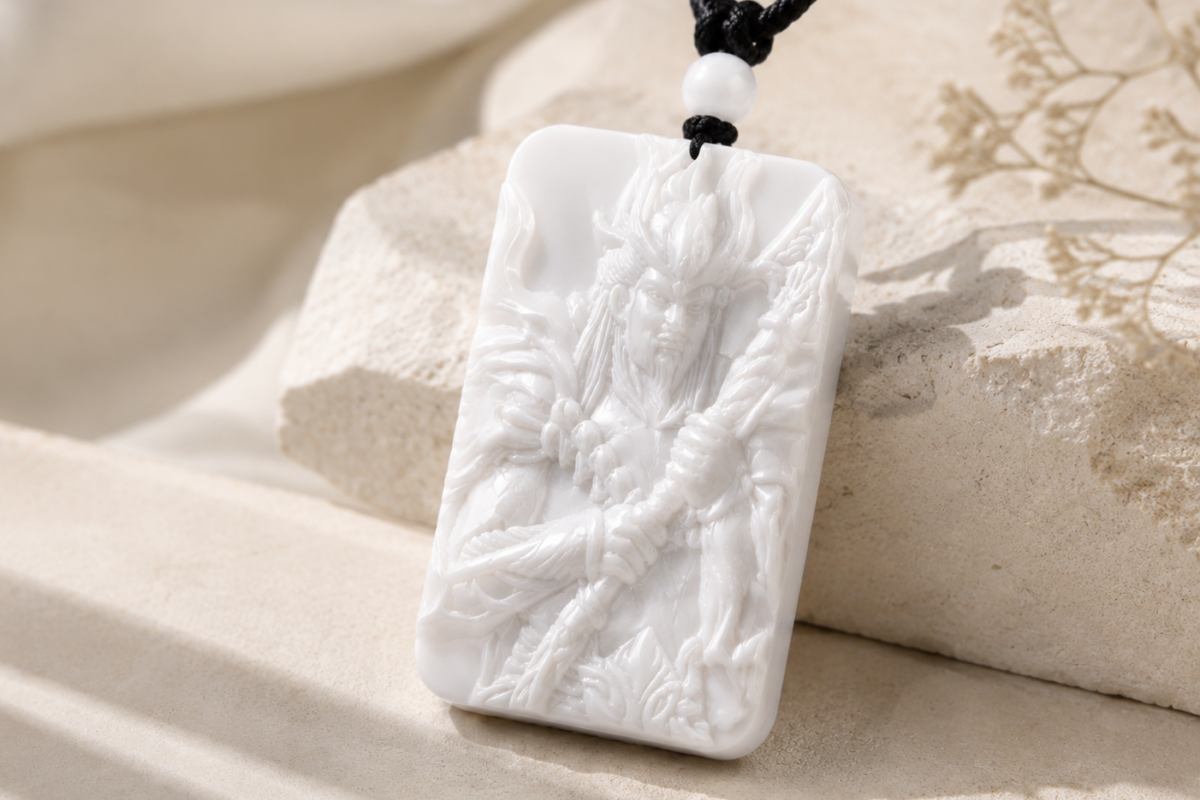
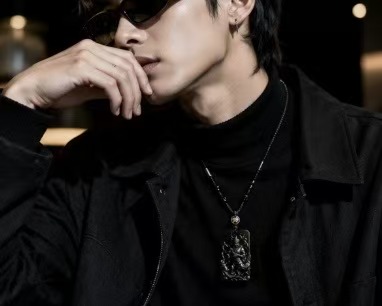
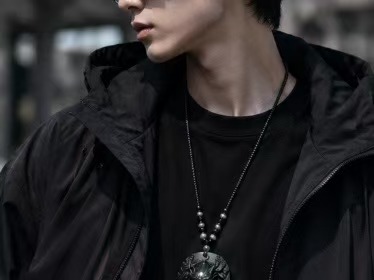
Before stepping out in the morning, hanging a pendant around your neck — the act itself is a ritual. You don't need to believe it will block anything. You just need to feel it there: heavy, cool, resting against the skin below your collarbone. It reminds you: Today, you chose to be protected. 

This is what an amulet means in 2026. Not religion. Not superstition. It is a self-reminder.

The History of Amulets Is Older Than Writing.

The history of humans wearing amulets goes back at least 40,000 years. In Paleolithic caves, archaeologists have found drilled animal teeth, shells, and stones — strung together and worn around the neck. There was no writing then. No religion. And yet someone was already wearing "something," believing it could protect them.

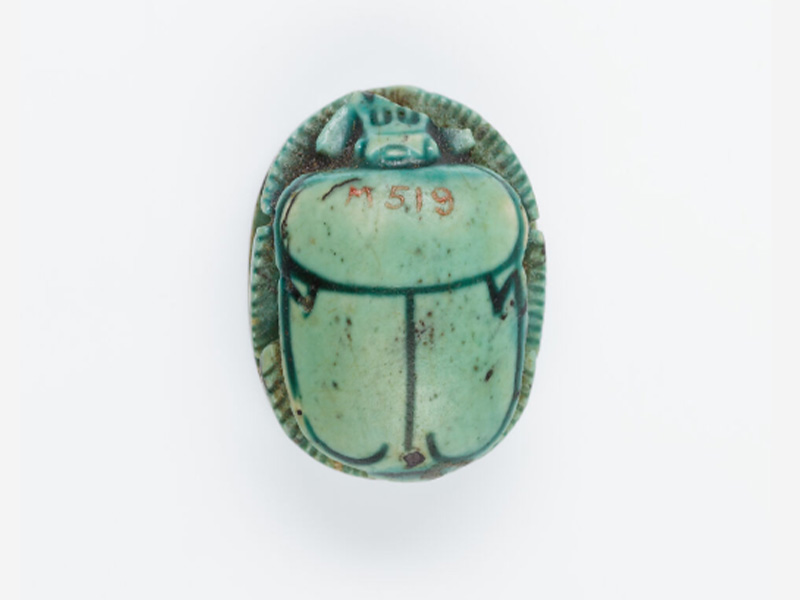
Ancient Egypt: The Scarab symbolized rebirth. The Eye of Horus warded off evil. Pharaohs' tombs were stuffed with amulets, because the afterlife needed even more protection than the living world.
Mesopotamia: Pazuzu — a demonic face with wings — was worn as an amulet to drive away other, more dangerous spirits. Fighting poison with poison. This was the earliest dark logic.
Ancient Greece and Rome: Children wore the Bulla — a small round box hung around the neck, containing protective inscriptions. Soldiers hid stones carved with the goddess of victory beneath their armor.
China: Jade has been seen as a "spirit-conducting" material since the Neolithic era. The jade pig-dragons of Hongshan, the jade cong of Liangzhu, the jade bi of the Warring States — all amulets. The belief that jade can deflect misfortune has persisted in China for at least 8,000 years.

The Difference Between an Amulet and Jewelry.

Jewelry is for others to see. An amulet is for you to know.

When someone wears a gold chain, you think: "They've got money." When someone wears a hand-carved dark pendant, you think: "There's something more to this person."

This is the essence of an amulet: it does not explain itself to the outside world. It speaks only to the wearer. 

In 2026, We Need Amulets More Than Ever.

Not because the world is more dangerous. Because it's louder.

Algorithms, push notifications, alerts, group chats, trending topics — we are bombarded by thousands of external signals every day. An amulet is a counter-signal. It pushes nothing. It simply hangs there in silence, waiting for you to reach for it when you need it.

It reminds you: you are you. Not a row in some dataset.

What Are You Wearing?

The material and form of an amulet determine its "language":

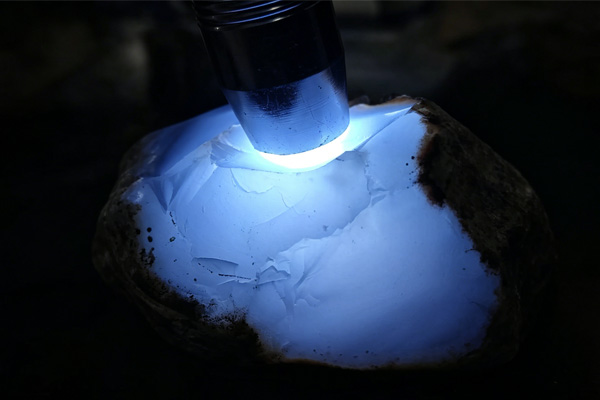
Black Obsidian: Volcanic glass. Cooled too fast to crystallize. It says: "I keep calm in the chaos."
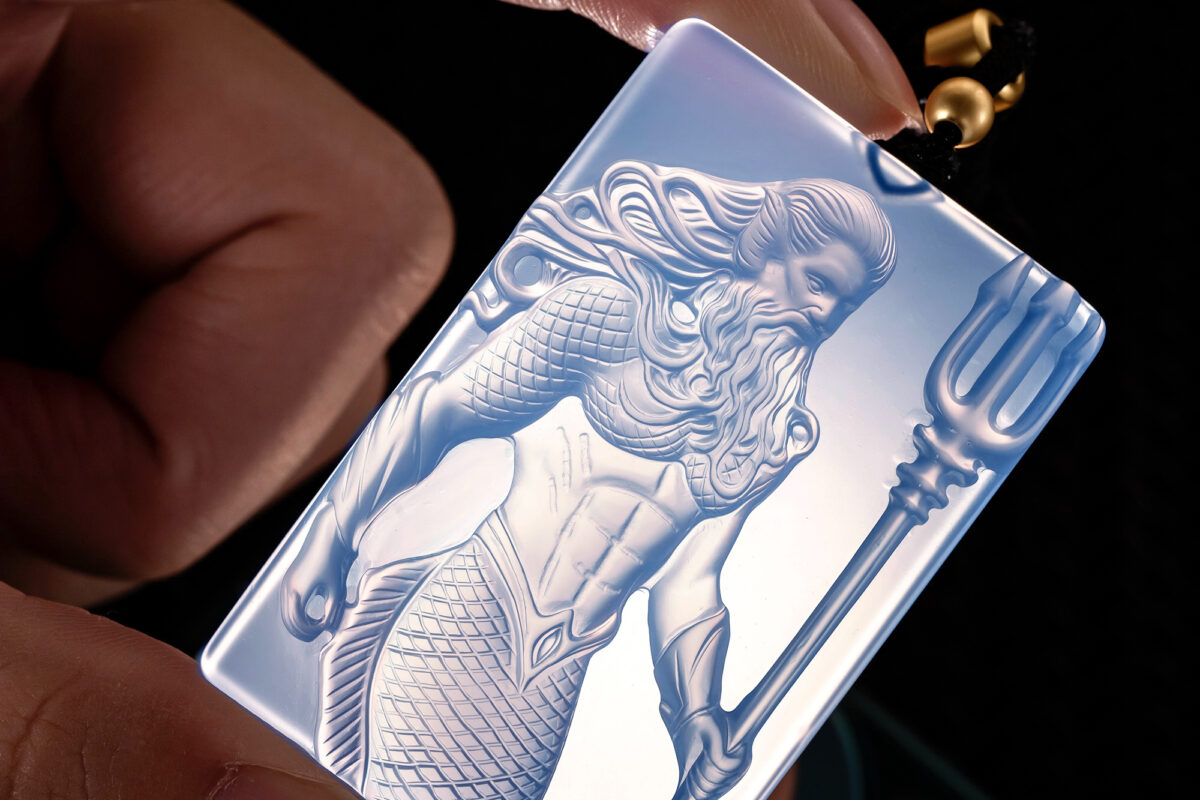
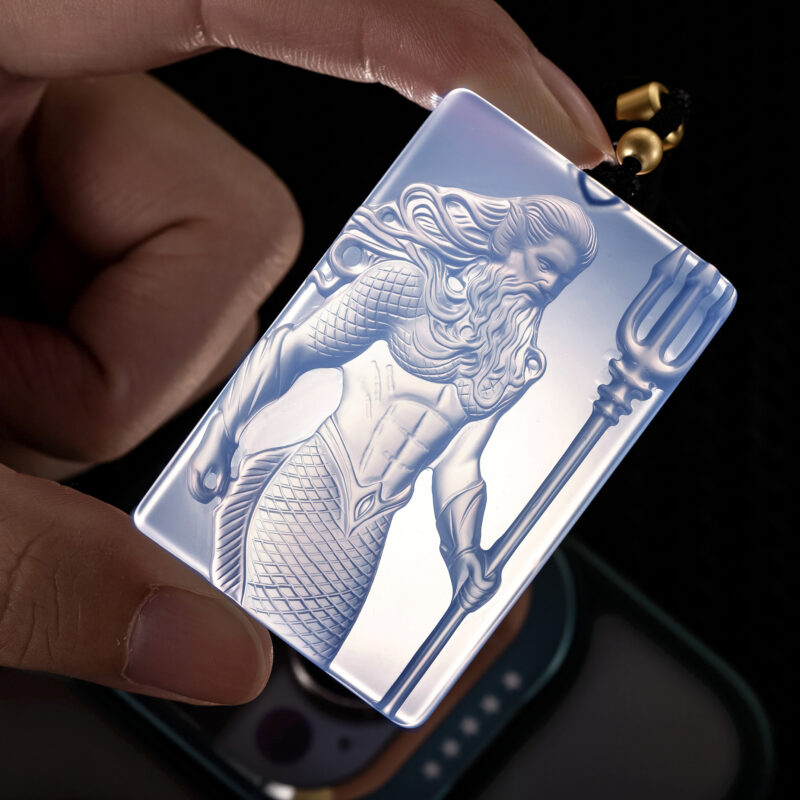
Blue Chalcedony: 65 million years of a light trick. It says: "True power needs no volume."
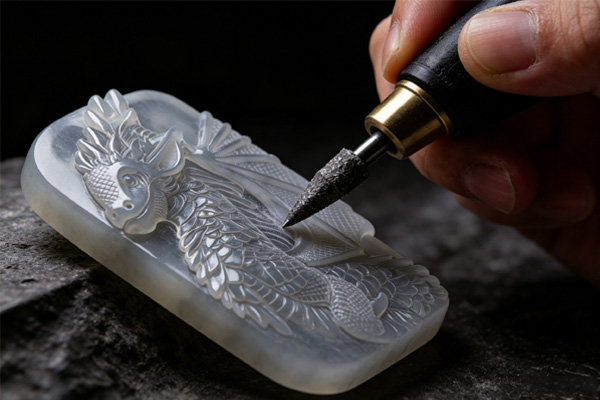
Purple Agate: 135 million years. It says: "Some things grow clearer with time."
White Agate: 112 million years. It says: "Purification is not deletion. It is returning to essence."

Every stone has its own age, its own story, its own silence. Which one you choose is choosing which silence walks beside you.

An Amulet Is Not Faith. It Is a Choice.

You don't have to believe it has supernatural power. You just need to believe: every morning, when you hang it around your neck, you are reminding yourself — today, you deserve to be protected.

That is why, in 2026, we still wear amulets.
In a world that never stops talking, wear something that knows how to be silent.